- DUI
- Criminal Defense
- Florida DUI
- Traffic Offenses
- Drug Charges
- Marijuana Charges
- Violent Crimes
- Domestic Violence
- Temporary Injunctions
- Weapons Charges
- Theft Crimes
- White Collar Crime
- Juvenile Offenses
- Sex Crimes
- Violation of Probation
- Early Termination of Probation
- Seal or Expunge Criminal Record
- Criminal Appeals
- US Federal Offenses
- Misdemeanor Charges
- Felony Charges
- Co-Defendant Cases
- College Student Defense
- College Student Hearings
- FSU Students
- FAMU Students
- Florida Panhandle Arrests
- Extradition to Florida
- Bench Warrants / Warrants
- Emergency Bond Hearings
- Gambling Charges
- Drone Arrests
- Marsy’s Law
- UAS Infractions
- Introduction of Contraband
- Lying to Police
- Locations
- Case Results
- Our Firm
- Media
- Resources
- Blog
- Contact Us
I Talked to the Police in Florida – What Happens Next?
October 9, 2025 Don Pumphrey, Jr. Criminal Defense Social Share
If someone talks to the police in Florida without an attorney when they are suspected of a crime, this is often harmful to their case. But it is not the end of the road.
Countless times a day in Florida, someone is taken into custody and interrogated by police. If officers attempt to talk to someone regarding their alleged involvement in criminal activity, the smart response is to invoke your right to remain silent and request an attorney. These are your constitutional rights – exercise them! Miranda v. Arizona, 384 U.S. 436 (1966)
But sometimes, a person who is arrested is either scared or thinks they have “nothing to hide” when they are taken into custody and police interrogation begins. As a result, they make incriminating statements that are admissible against them in a court of law.
However, just because someone talks to law enforcement following their arrest does not mean there is a 100 percent chance they will be convicted, or even that their statements will be used against them in court. This blog will discuss what comes next if someone talks to the police in Florida.
Speaking to law enforcement without an attorney present is quite common, even though it is generally ill-advised. Though someone may not think they said anything that was damaging to their case in their discussions with law enforcement, there is a significant chance that they did and just don’t realize it.
Police officers are trained interviewers – and they are specifically taught how to elicit seemingly small details or pieces of information from suspects that seem harmless or irrelevant, but can be critical in building a case against them.
Even casual conversations with law enforcement, if someone is a suspect in an investigation and has been Mirandized, can become “statements” that are admissible in a court of law. When people realize this after speaking to the police, their first question is often: what do I do now?
To answer this, it is important to understand the legal landscape surrounding Miranda warnings in Florida. “Miranda warnings” are named for the U.S. Supreme Court case Miranda v. Arizona, and require law enforcement to notify someone in custody who they intend to interrogate of their Fifth and Sixth Amendment rights.
If someone is placed into custody by police and subject to interrogation or its functional equivalent, law enforcement must notify them of the following:
- Their right to remain silent
- The fact that anything can and will be used against them in a court of law
- The right to an attorney, including during questioning (and that if they can’t afford an attorney, one will be provided)
It is commonly believed that every time police question someone, that they must first give them a Miranda warning. However, this is not the case unless someone was in custody.
For someone to be considered “in custody,” courts have held that the question is whether a reasonable person in their position would not feel free to end the questioning and leave. If a reasonable person would have felt free to leave, law enforcement can question someone without reading Miranda. Berkemer v. McCarty, 468 U.S. 420 (1984)
Courts are clear that if someone makes an “un-Mirandized” voluntary statement while they are not in custody, that statement can be used against the defendant in court (so long as it complies with hearsay rules/other requirements for admission, such as relevance).
Often, the admissibility of a suspect’s post-arrest statements (including confessions) hinges on whether their Miranda waiver was knowing, intelligent, and voluntary. This question must be asked in every criminal case where a post-Miranda confession was allegedly elicited from the defendant.
If someone waives their rights and agrees to speak with law enforcement, but they were threatened, coerced, or did not understand what they were doing, their post-Miranda statements cannot be used against them in court. Miranda v. Arizona, 384 U.S. 436, 479 (1966)
Police also may not take someone into custody and intentionally delay the reading of Miranda warnings until after interrogation has already begun, in an effort to get a pre-Miranda confession. If someone is in custody and interrogation is about to start, they must be notified of their rights. Ross v. State, 45 So.3d 403 (Fla. 2010)
If someone’s Miranda waiver (agreeing to speak without an attorney present) was not knowing, intelligent, and voluntary, a defense attorney can move to suppress post-arrest statements made by the police. If that motion is granted, prosecutors will be barred from using those statements (including a confession) against the defendant at trial.
In evaluating whether a Miranda waiver by a suspect was knowing, intelligent, and voluntary, courts consider the following (Waterman v. State, 255 So.3d 980 (Fla. 2d. DCA 2018)):
- The manner in which the rights were read (e.g. whether they were read too fast for the suspect to understand, read too quietly)
- Whether cajoling, coaxing, or trickery was used by police to get agreement from the suspect to speak
- The suspect’s age, intelligence, background and experience in the criminal justice system (e.g. have they been read their rights before)
- If a juvenile, whether parents were contacted and given a chance to speak with them before the interrogation
- The location and conditions of the interrogation (e.g. at a police station)
- Whether or not law enforcement obtained a written waiver from the suspect, as opposed to simply an oral (spoken) acknowledgment
Note: The absence of a written and signed Miranda form explaining a suspect’s rights does not automatically render a waiver invalid, but this can be considered a factor in evaluating a waiver’s validity. Randall v. State, 691 So.2d 573 (Fla. 5th DCA 1997)
It is important to note that all of this “motion work” happens once criminal proceedings are already underway. A Miranda waiver challenge will not stop someone from being arrested. In fact:
- Police can still use someone’s statements to build probable cause for an official arrest and formal charges
- Prosecutors may still use the statements in making charging decisions
- Defense strategy may be impacted, especially if it appears the waiver was knowing, intelligent and voluntary and an inculpatory (incriminating) statement was made
In sum, talking to the police without an attorney present about the facts of a case is a serious mistake that can change the trajectory of criminal proceedings. However, it is not the end of the road.
If someone talked to the police after an arrest and is concerned about their statements being used against them, they should:
- Stop all further communication with law enforcement
- Write down (if possible) everything they can remember about the conversation and what they may have said
- Do not attempt to “fix” the situation by going back to the police and doing additional “explaining”
- Contact an experienced and aggressive Florida criminal defense attorney immediately
Talking to law enforcement does not guarantee that someone will be convicted in a court of law. But it often makes the prosecutor’s job quite a bit easier – and makes seeking out trusted legal guidance even more urgent. A skilled and experienced Florida defense attorney can review the facts of a case, file motions to suppress, and protect your rights moving forward.
If someone is arrested and formally charged in Florida in a case involving a Miranda waiver that was not knowing, intelligent, or voluntary, it is critical to find experienced and trusted legal representation as soon as possible. This decision could make the difference in whether or not someone faces a lengthy prison term and hefty fines.
Criminal Defense Attorney in Tallahassee, FL
Don Pumphrey, Jr. is a Former Prosecutor, Former State Police Officer, Lifetime Member of the Florida Association of Criminal Defense Lawyers; for over 25 years as a private defense attorney who is Trusted, Experienced, Aggressive in Criminal Defense as a Trial Attorney, Criminal Lawyer, Criminal Defense Lawyer for the accused in Florida State Courts located in Tallahassee, Florida but handling cases throughout the State of Florida.
Don Pumphrey, Jr. and the Tallahassee criminal defense lawyers at Pumphrey Law have decades of experience fighting drug charges on behalf of clients and winning. Call Pumphrey Law now at (850) 681-7777 to learn more about what we can do for you. Our lawyers will be happy to provide you with a free consultation.
Don Pumphrey, Jr.
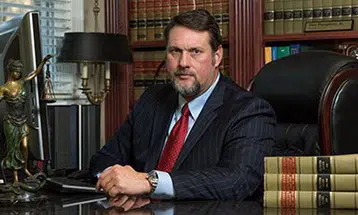
Attorney Don Pumphrey, Jr. is a former prosecutor, former law enforcement officer, and a successful and experienced criminal defense attorney. Don has achieved over 100 not guilty verdicts at trial and over 2,000 dismissals.